
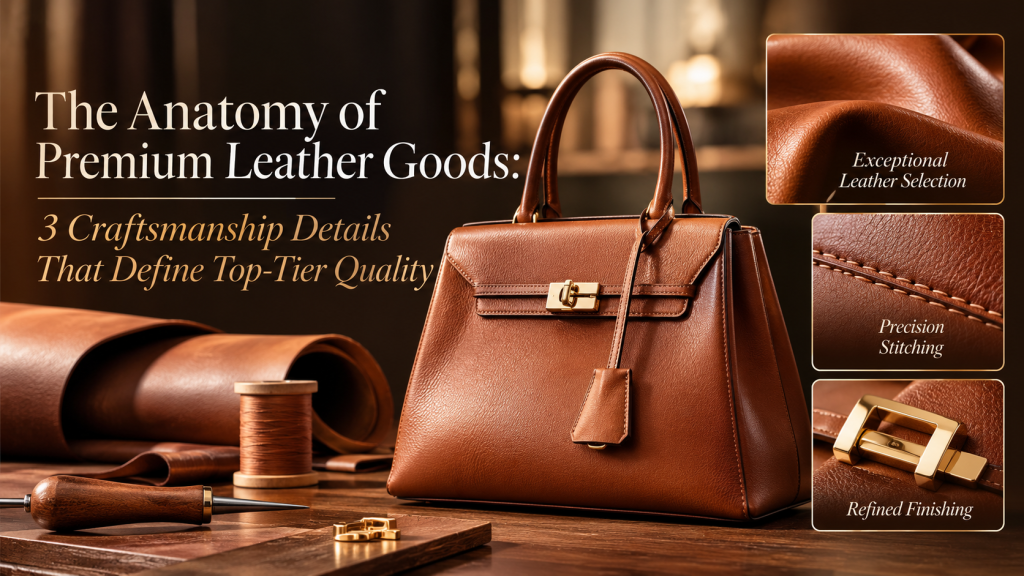

Introduction: The Beauty of Exceptional Craftsmanship
There is a quiet pleasure in holding a beautifully made leather piece. The weight in the hand, the supple give of the material, the soft sheen of a perfectly finished edge: these sensations speak of care long before any logo or label could. Yet the greatest differences in quality are rarely the most obvious ones. They live in the smallest construction details, in the places most people never think to look.
This article explores three of those details: the leather itself, the stitching and construction, and the finishing of edges and hardware. Together they support a simple premise. True fashion is not a matter of appearance alone. It emerges where exceptional materials, meticulous workmanship, and lasting durability meet in a single, considered object.
Leather Selection: The Foundation of Quality
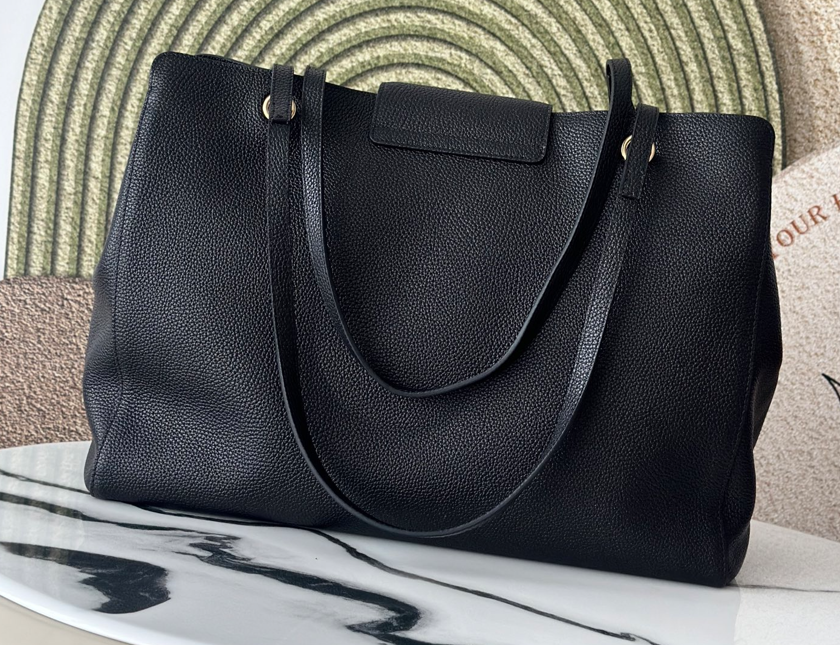
Every exceptional leather piece begins with the hide. Full-grain leather, which retains the strongest natural surface layer, is widely regarded as the benchmark for premium goods because it is dense, durable, and capable of developing a rich patina. Top-grain leather is lightly sanded for a more uniform look, while heavily corrected or coated leathers conceal the surface but sacrifice character and breathability.
What distinguishes superior execution is the quality of the grain and the honesty of its presentation. Fine leather shows subtle natural variations, such as faint pores, delicate creasing, and slight shifts in tone. These are not flaws but evidence of authenticity. Thickness matters just as much. A structured briefcase needs a firmer, more substantial hide, while a soft shoulder bag benefits from a pliable, lighter cut that drapes gracefully without feeling flimsy.
This matters because material selection shapes everything that follows: how the piece looks on day one, how it withstands daily use, and how gracefully it ages. A well-chosen hide softens, deepens in colour, and gains character, while a poor one cracks, peels, or stiffens.
What to observe: Press the surface gently. Quality leather wrinkles finely and recovers, and it carries a natural, pleasant scent rather than a sharp chemical one.
Stitching and Construction: Precision in Every Detail
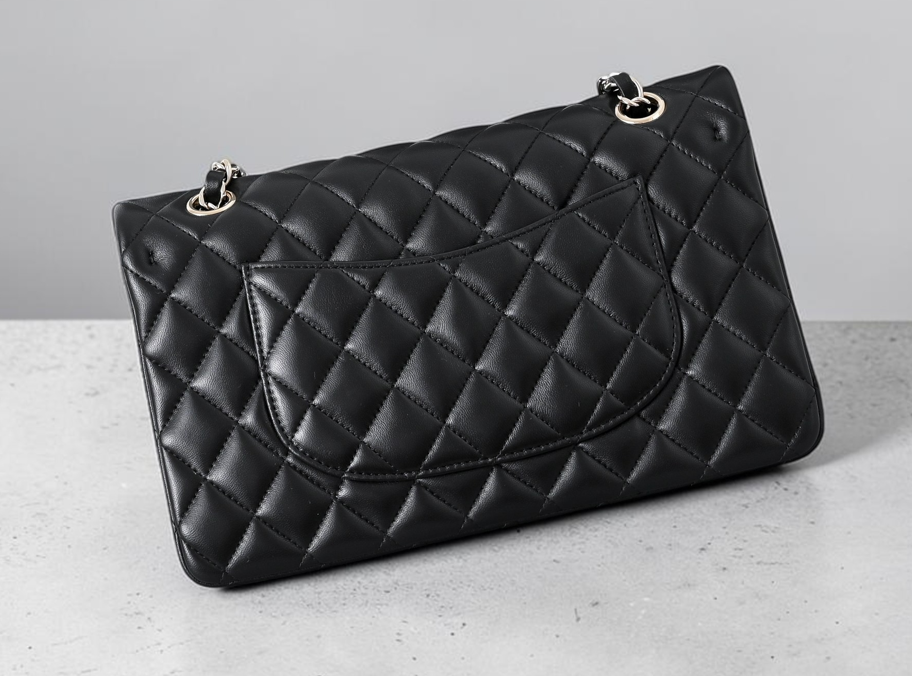
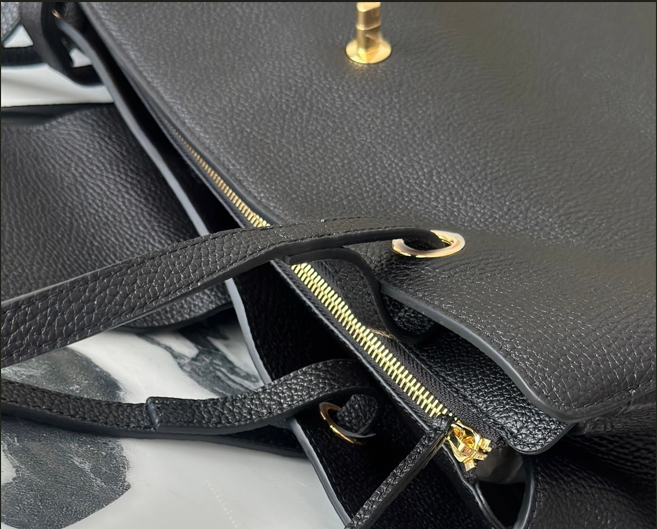
If leather is the foundation, stitching is the architecture. Superior construction is easy to recognise once you know what to look for: stitches of uniform length, evenly spaced and consistently tensioned, following straight lines or smooth curves without wandering. Seams are clean, panels align precisely, and patterns match across adjoining sections.
Equally important is reinforcement. Skilled makers strengthen the areas that bear the most strain, including handle attachments, strap anchors, pocket corners, and the base of the bag. Techniques such as bar-tacking, backstitching, or additional internal support allow these points to withstand years of repeated stress. The construction method should also suit the product’s purpose. A travel bag demands robust, load-bearing seams, whereas a slim cardholder rewards fine, low-profile stitching.
This is why stitching should never be dismissed as merely decorative. Each stitch holds the structure together, and its quality determines whether a piece stays sound or begins to loosen with use. Strong thread, properly tensioned, is a quiet guarantee of longevity.
What to observe: Run your eye along the seams. Look for even spacing, no loose or skipped stitches, and securely finished thread ends, particularly around handles and corners.
Edge Finishing and Hardware: The Final Expression of Craftsmanship
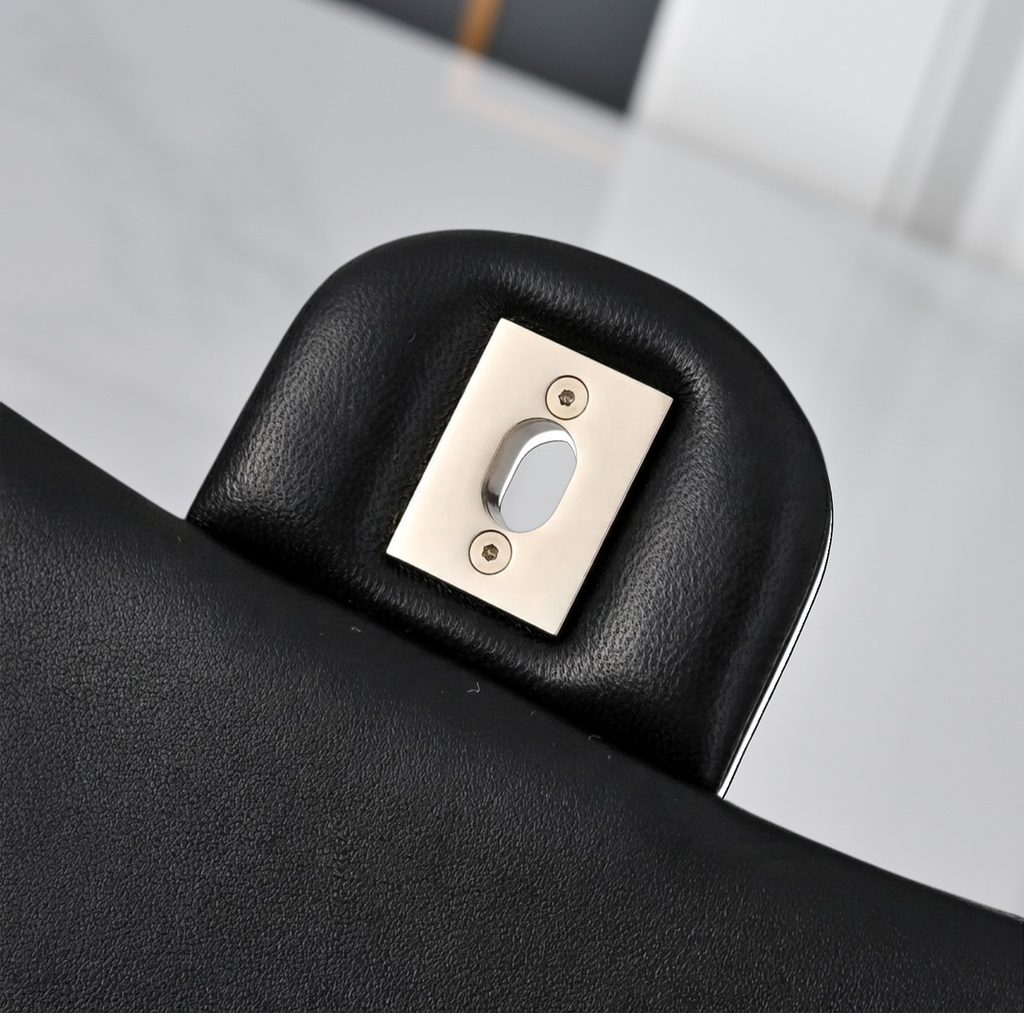
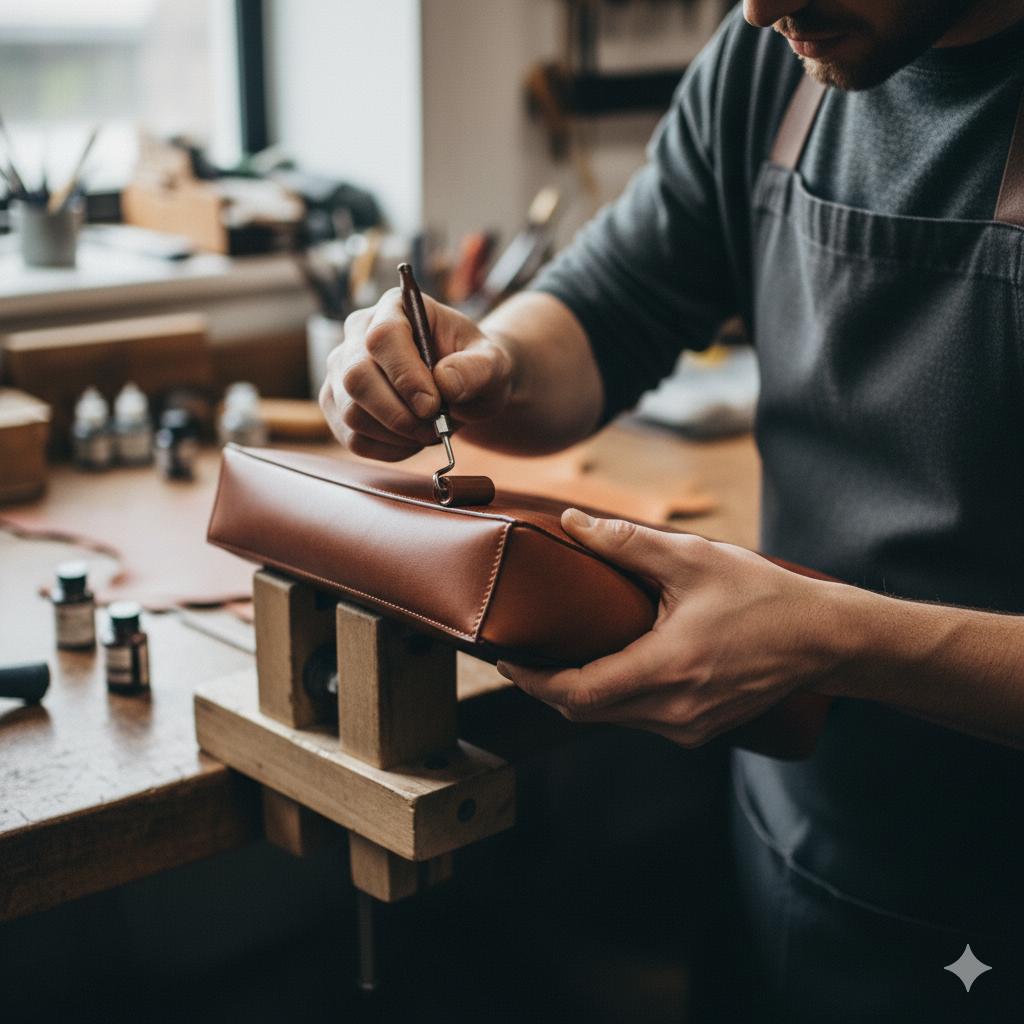
The finishing touches are where craftsmanship becomes most visible. A well-finished edge is smooth, even, and consistent in colour, whether it has been burnished to a gentle sheen or neatly painted with several thin layers. It should feel solid to the touch, never rough, sticky, or prone to cracking. Corners are cleanly shaped, and transitions between layers flow without gaps or bulges.
Hardware deserves the same scrutiny. Zippers should glide smoothly without catching, clasps should close with a confident, secure action, and buckles should sit flush and operate easily. Superior hardware is proportionate to the piece, neither oversized nor delicate to the point of fragility, and its finish is uniform and resistant to tarnishing or flaking.
These details matter for both beauty and performance. Refined edges resist fraying and moisture, extending the life of the piece, while dependable hardware ensures that everyday use remains effortless. A beautiful bag with a failing zipper quickly loses its appeal.
What to observe: Open and close every fastening several times. Check that edges are smooth and sealed, and that hardware feels weighty, aligned, and firmly attached.
How to Evaluate Leather Goods Before Purchasing
Armed with these three principles, you can assess any piece with confidence. A thoughtful inspection takes only a few minutes.
Begin with the material. Examine the surface in natural light. Look for a consistent, natural grain and gentle variation rather than an overly uniform, plastic-like finish. Feel the leather for suppleness and substance, and note whether it has an authentic aroma.
Inspect the stitching. Follow the seams with your eyes and fingertips. Stitches should be even and tight, with reinforcement at handles, straps, and corners. Check that panels line up and that the lining is neatly attached.
Assess finishing and function. Run a finger along the edges to confirm they are smooth and well sealed. Test every zipper, clasp, and buckle. Observe how the piece holds its shape when empty and when filled.
Finally, ask about care guidance and repair options. Makers confident in their work are happy to explain how it is intended to age.
Conclusion: Investing in Quality That Endures
Premium leather goods are distinguished not by a single feature but by the thoughtful execution of every detail, from the selection of the hide to the final polish of an edge. When material, stitching, and finishing work in harmony, the result is an object that performs beautifully and ages with grace. Choosing such a piece is an investment in craftsmanship designed to be appreciated, used, and cherished for many years to come.