
Fashion has never moved faster. New trends appear overnight, are amplified across screens and are declared outdated almost as quickly as they arrived. In such a landscape, it is easy to feel that style is something to be kept up with rather than something to be developed.
Yet the opposite is increasingly true. As trends become more disposable, personal style becomes more valuable. It is the one thing that cannot be bought in a single afternoon or replaced by next season’s mood. It is built slowly, through observation, experience and honest choices, and it offers something no trend can: a wardrobe that feels authentically yours.
Fashion Psychology: Understanding What Truly Defines Your Style
Clothing is never only clothing. It is a form of communication, and it influences how we feel as well as how we are perceived. Many people notice that certain outfits make them stand taller, speak more easily or feel entirely at ease, while others leave them quietly uncomfortable, however fashionable they may be.
This is the heart of personal style. It sits at the meeting point of personality, identity and confidence. The pieces that feel right are usually those that align with who you are and how you live, rather than those that simply follow the moment. A helpful exercise is to recall the outfits in which you felt most like yourself, and to ask what they had in common: a silhouette, a colour, a fabric, a mood. Those patterns are your starting point.
Breaking Free from Fast Fashion and Trend-Driven Dressing
Trend dependency is rarely a conscious choice. It is shaped by powerful influences:
- Social media: Constant exposure to curated images creates the impression that everyone else is wearing something you are not
- Seasonal cycles: The pressure to refresh a wardrobe each season encourages buying for novelty rather than need
- Impulse purchases: Low prices and instant availability make it easy to buy first and decide later
- Shifting expectations: When outfits are photographed and shared, repeating a piece can start to feel like a failing
The difficulty is that a wardrobe assembled from trends tends to lack coherence. Pieces compete rather than combine, and the owner is left with plenty to wear but little that feels right. Moving away from this cycle does not mean ignoring fashion. It means engaging with it selectively, borrowing what suits you and leaving the rest.
Discovering Your Signature Aesthetic
Most personal styles lean towards one or more broad aesthetics. Consider which of these feels most natural:
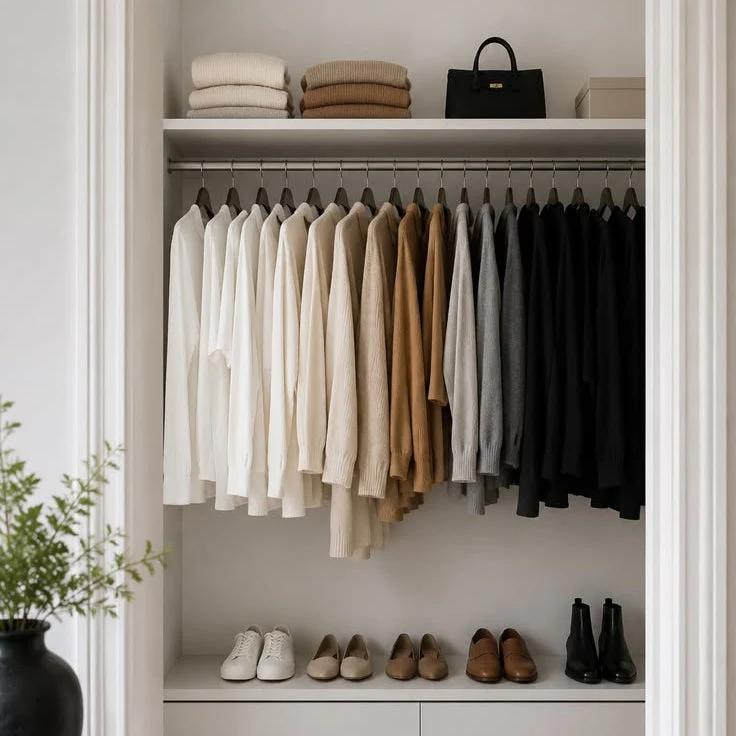
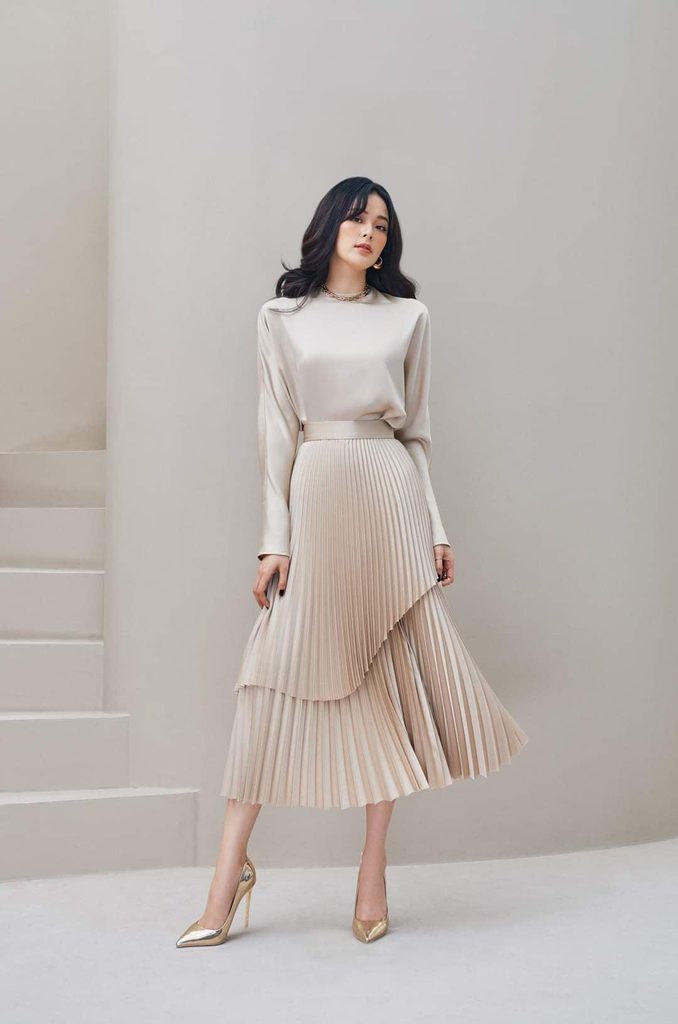
- Minimalist: Clean lines, restrained palettes and an emphasis on fabric and fit. Elegance through editing.
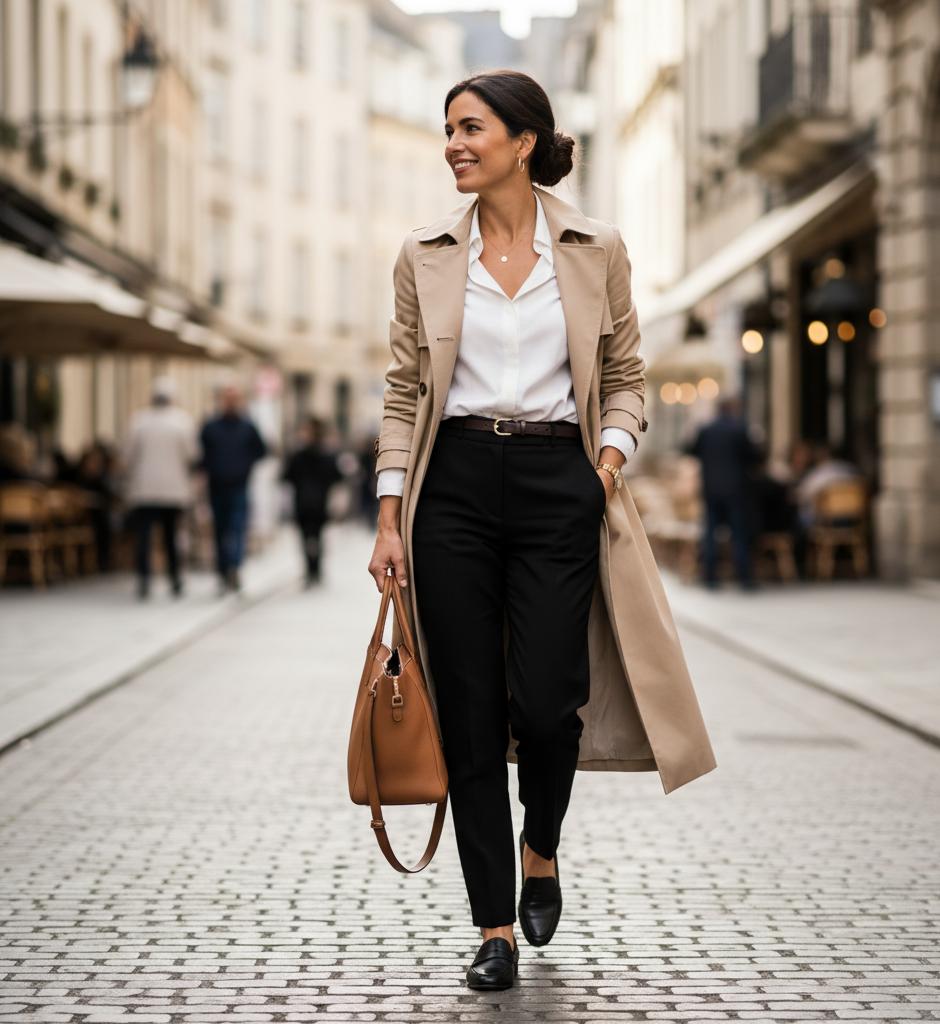
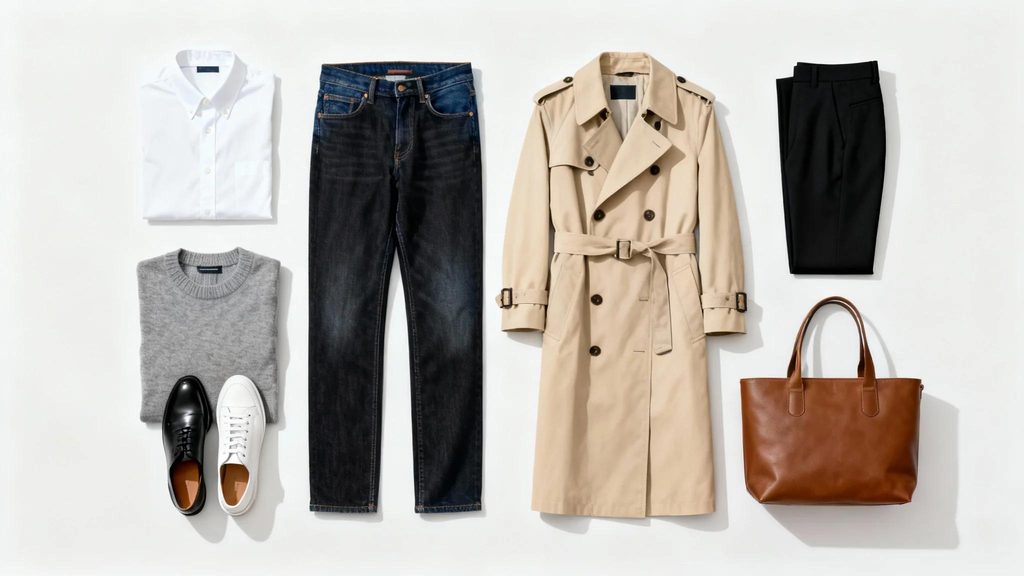
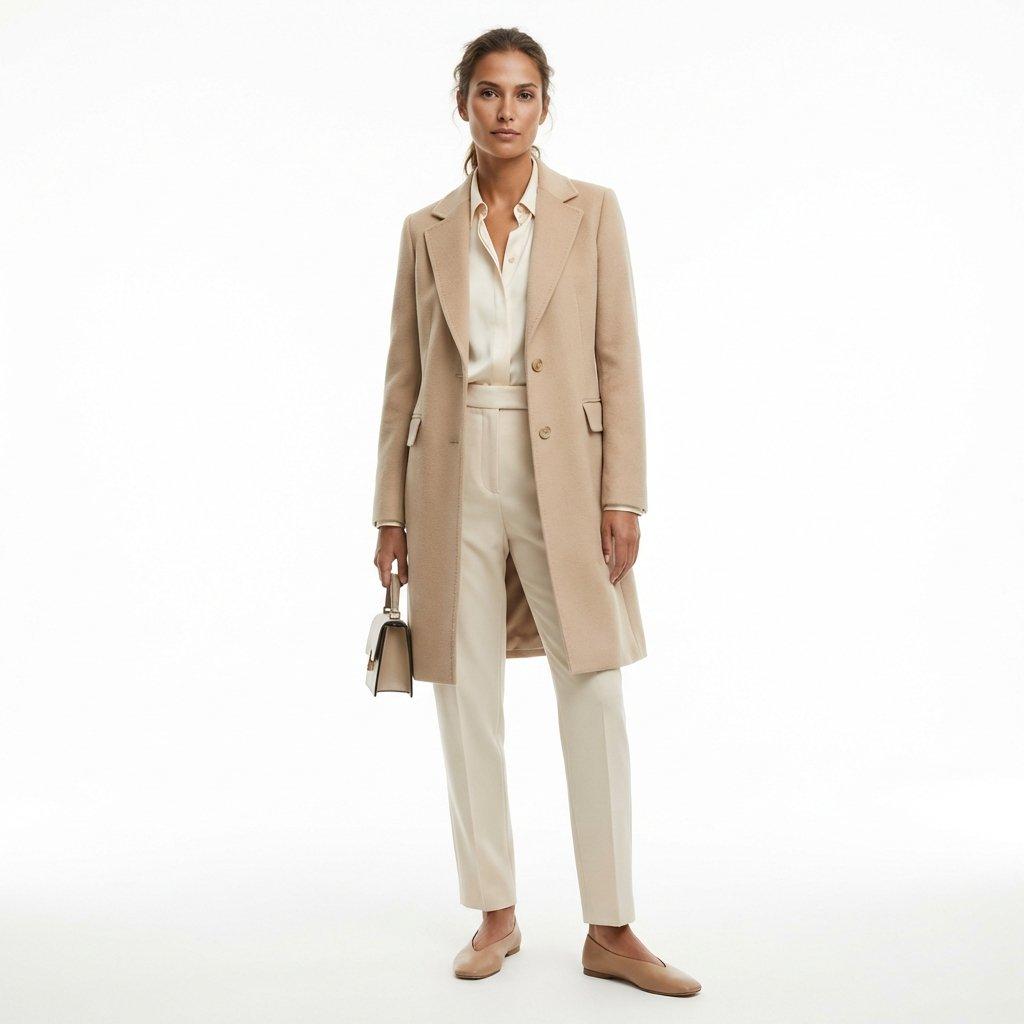
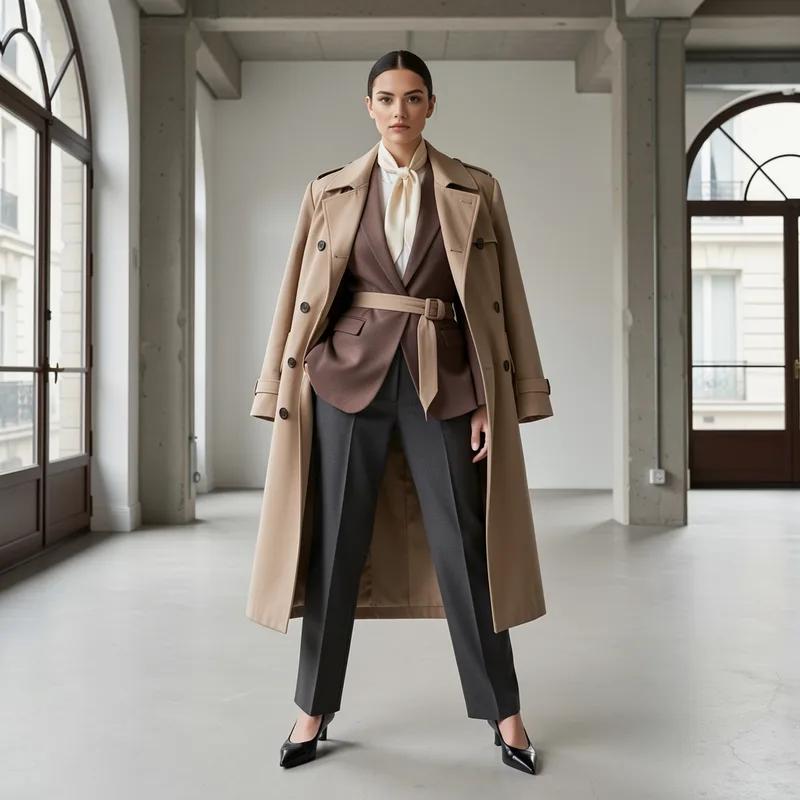
- Classic: Tailoring, trench coats, structured designer handbags and enduring proportions. Polish with a sense of heritage.
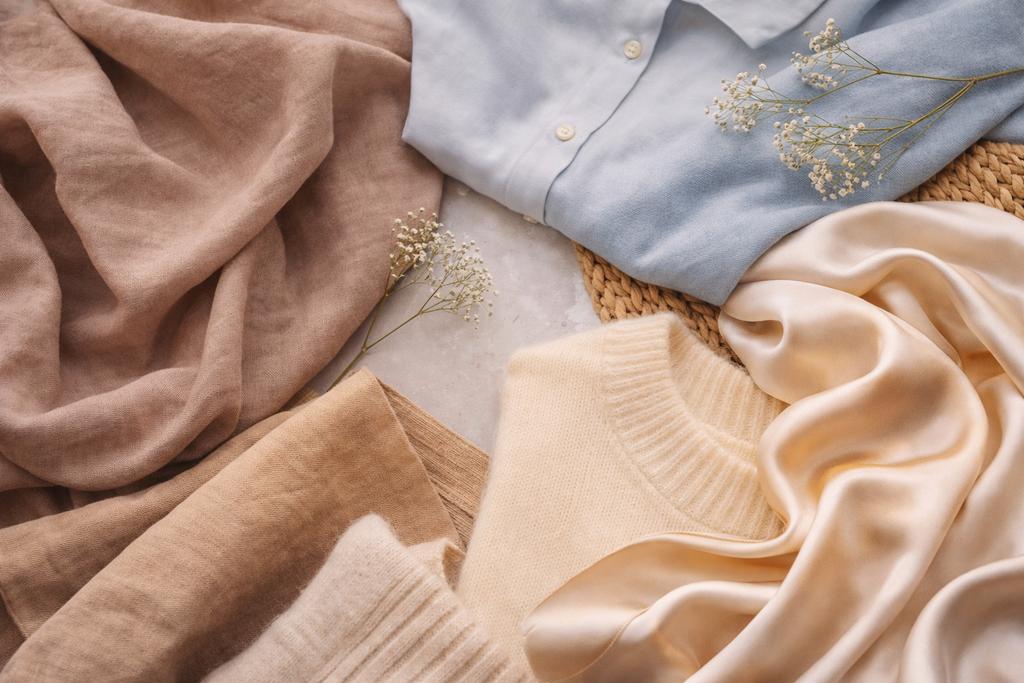
- Feminine: Soft fabrics, fluid shapes, delicate details and gentle colours. Grace expressed through texture and movement.
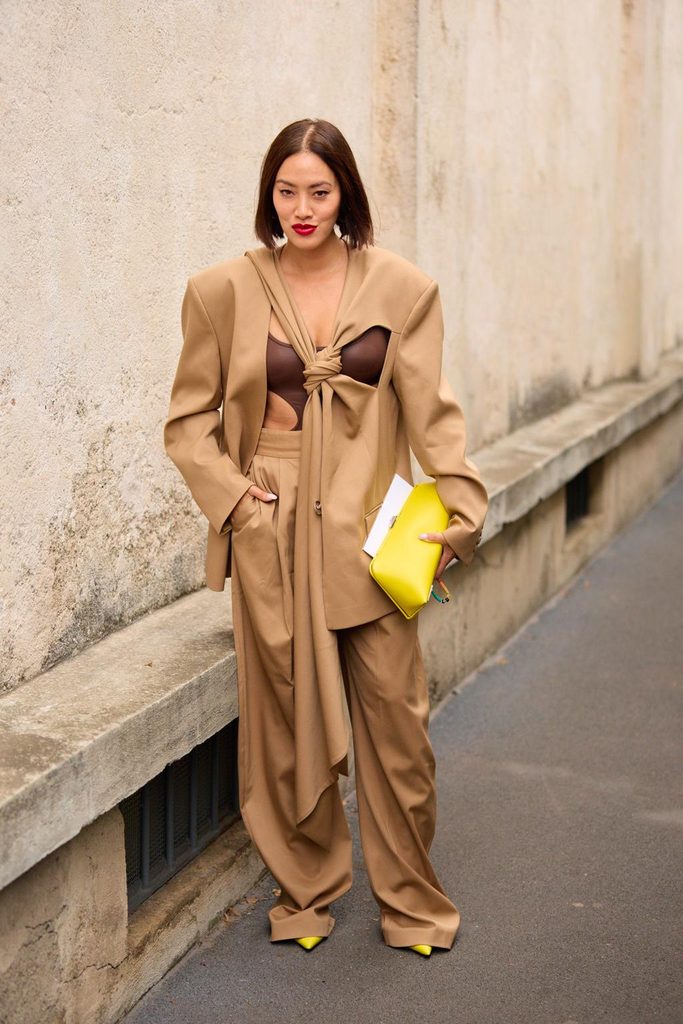
- Contemporary creative: Unexpected proportions, sculptural silhouettes and inventive combinations. Individuality as the guiding principle.
Many people blend two or more, and that is often where the most distinctive style emerges. Collect images, colours and outfits that appeal to you over several weeks, and look for the recurring themes. They will reveal more than any trend report.
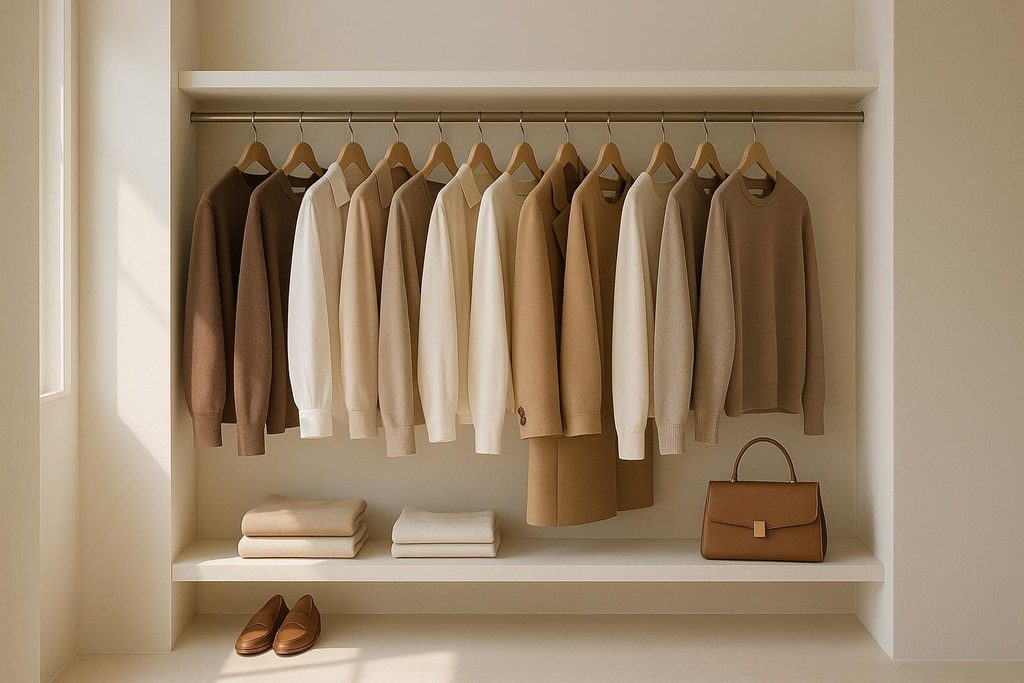
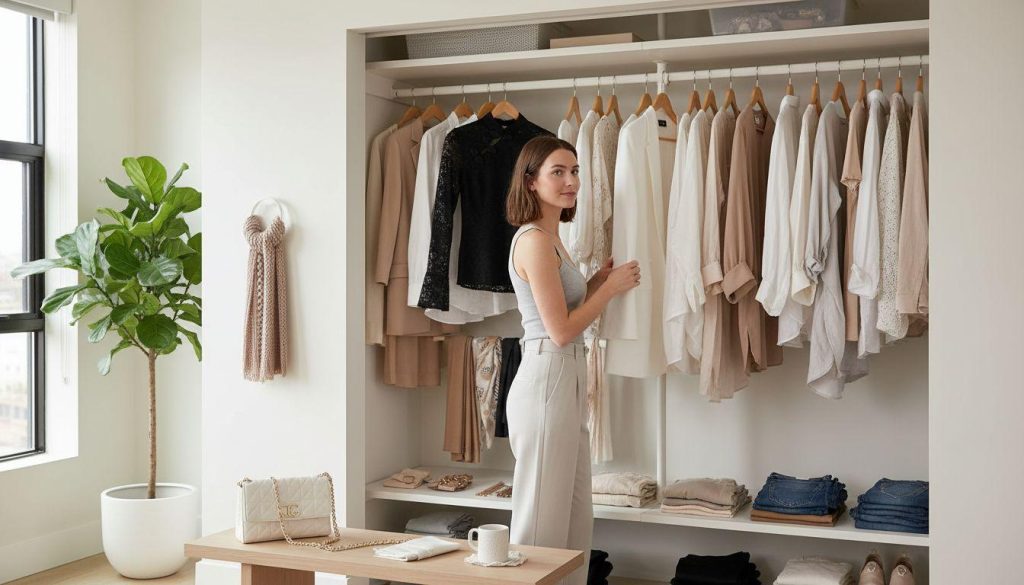
The Curated Wardrobe: Investing in Quality and Versatility
Once you understand your aesthetic, you can build a wardrobe that supports it.
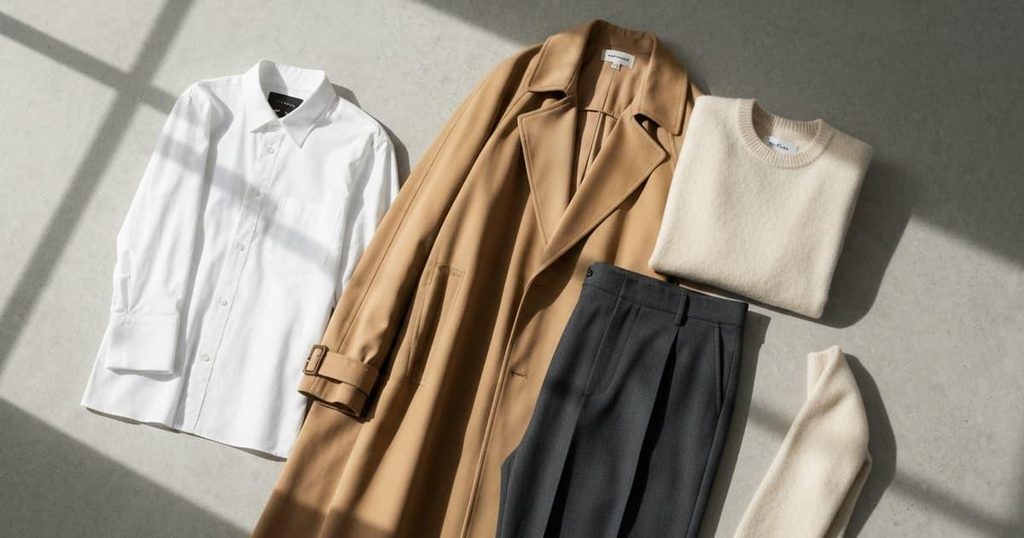
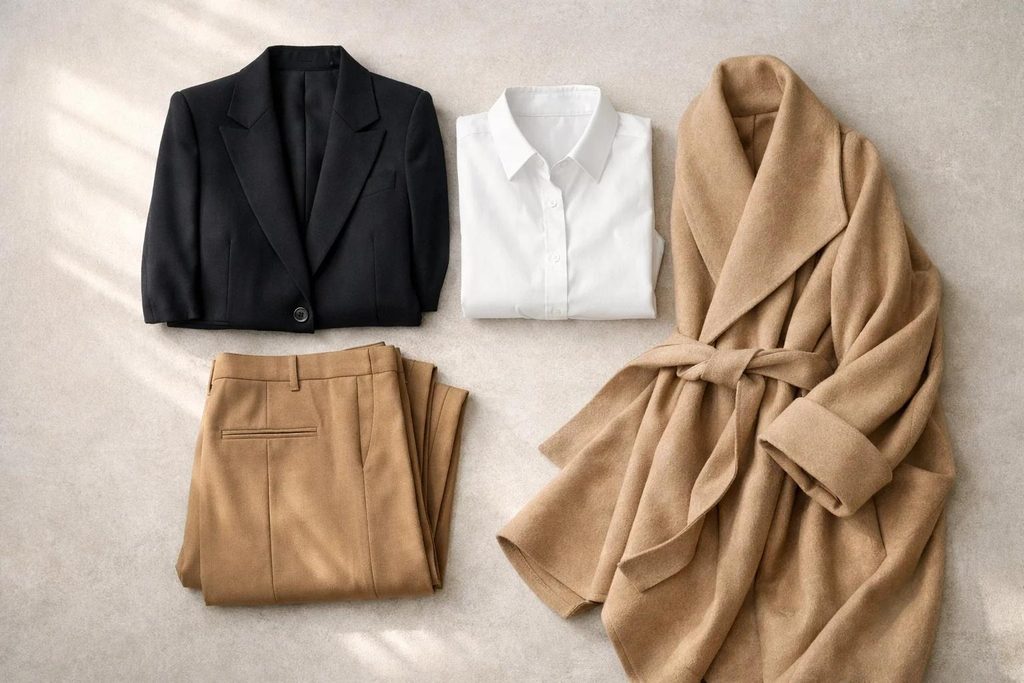
- Wardrobe essentials: A well-cut coat, tailored trousers, quality knitwear, a crisp shirt and dark denim form a reliable foundation
- Timeless silhouettes: Balanced proportions and clean lines resist dating
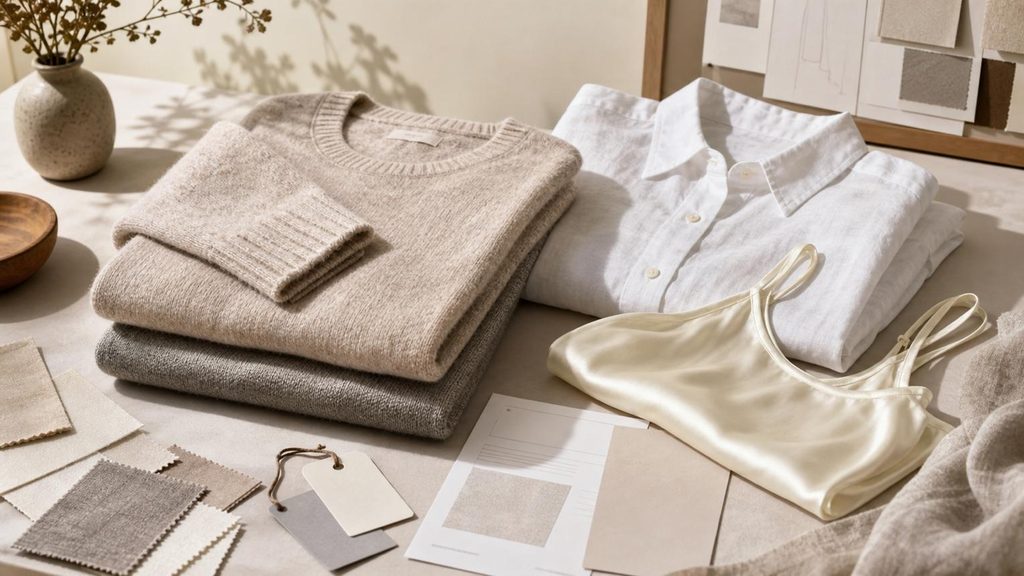
- Premium fabrics: Wool, cashmere, silk, cotton and fine leather feel better, drape better and last longer
- Investment pieces: A structured leather bag or a beautifully made pair of boots, chosen carefully and worn often
Cost per wear is a useful measure. A thoughtfully chosen piece worn for years is often better value than a series of short-lived purchases, and it makes getting dressed simpler.
Conscious Fashion: Making More Meaningful Choices
Personal style and responsible shopping fit together naturally. A wardrobe built with intention tends to be smaller, better and more sustainable almost by default.
- Sustainable consumption: Buy less, and choose pieces you expect to keep
- Craftsmanship: Support quality construction and materials made to last
- Second-hand fashion: Pre-owned and vintage pieces offer character and extend a garment’s life, especially from sellers who describe items clearly
- Longevity: Care for what you own, repair small issues early and store pieces properly
The most sustainable garment is often the one already hanging in your wardrobe.
Developing Confidence in Your Own Fashion Identity
Confidence in style is built through practice. Begin by dressing for yourself, rather than for imagined approval. Wear what feels comfortable and expressive, even when it differs from what others are wearing.
It also helps to develop a few simple habits:
- Pause before buying: Ask whether you love it, whether it suits you and whether it works with what you own
- Allow your style to evolve: Taste changes, and that is natural
- Trust repetition: Wearing a favourite piece often is a sign of style, not a lack of it
- Dress with intention: Choose each outfit as though it were a small act of self-expression
Over time, the noise of trends grows quieter, and your own instincts grow clearer.
Beyond Trends: The Timeless Beauty of Knowing Your Style
True elegance does not come from owning the newest piece. It comes from authenticity, confidence and thoughtful choices that accumulate over time. When you know your style, shopping becomes easier, dressing becomes more enjoyable and your wardrobe becomes a genuine reflection of you. Trends will always come and go. A style that is truly your own will remain.