
Introduction: The Language of Handbag Shapes
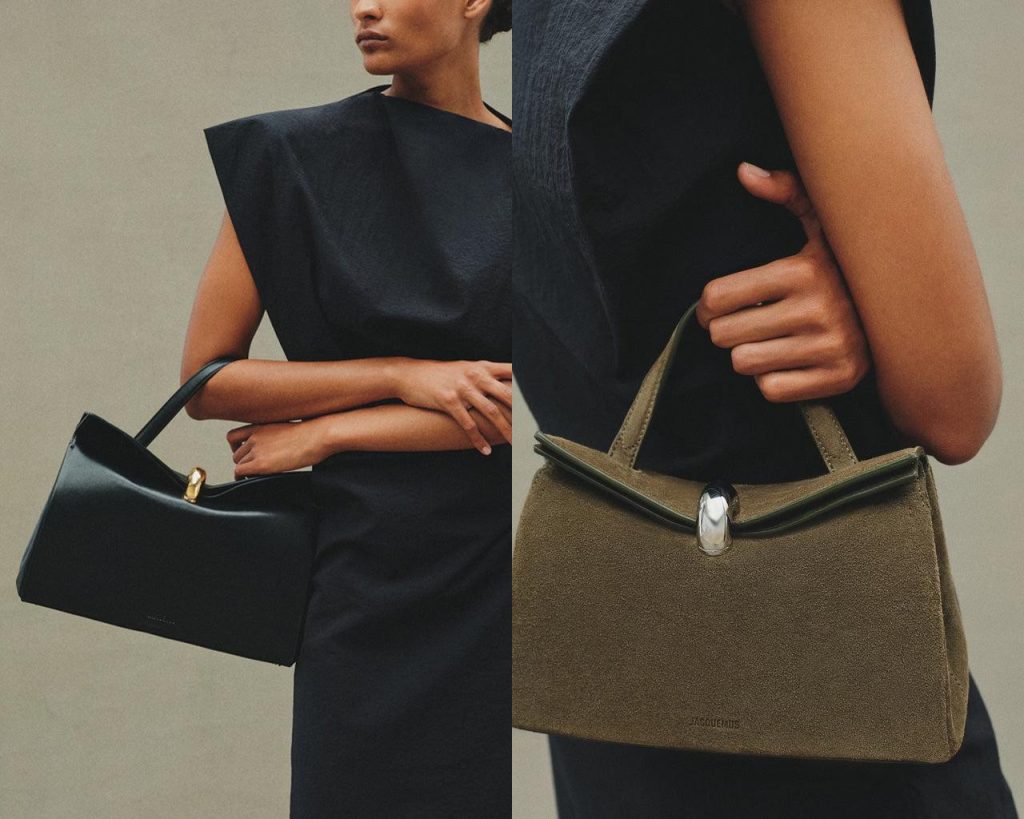
Before we notice a bag’s colour, its leather or its hardware, we notice its shape. A silhouette registers in an instant, communicating whether a bag is formal or relaxed, playful or serious, traditional or entirely of the moment. In this sense, shape is a kind of language, and every designer handbag speaks it fluently.
Understanding that language is one of the most useful skills in personal styling. The right silhouette does not simply carry your belongings. It expresses how you dress, how you move and how you wish to be seen. This guide explores what handbag shapes communicate, how to wear them well and how to find the one that feels unmistakably yours.
Understanding the Importance of Silhouette
Silhouette is the outline of a bag: its height, width, depth and the way those dimensions relate to one another. It is shaped by structure, which determines whether a bag holds its form or falls into soft folds, and by proportion, which governs how the bag sits against the body.
These qualities shape the visual character of an accessory far more than surface detail. A rigid, angular bag reads as authoritative and polished. A soft, rounded one feels easygoing and approachable. Two bags in the same leather and colour can suggest completely different personalities purely through form.
Silhouette also gives a bag its identity from a distance. In an era of understated design, where logos and embellishment have receded, shape has become the true signature of a well-made piece.
Exploring the Most Iconic Handbag Shapes
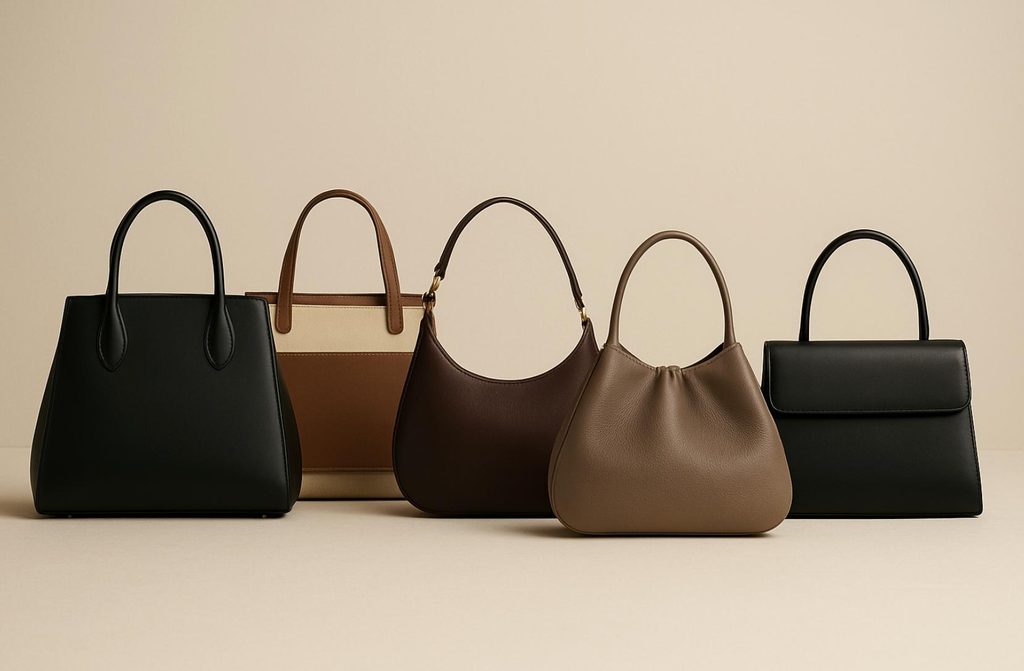
Each major silhouette carries its own character and works best in particular contexts.
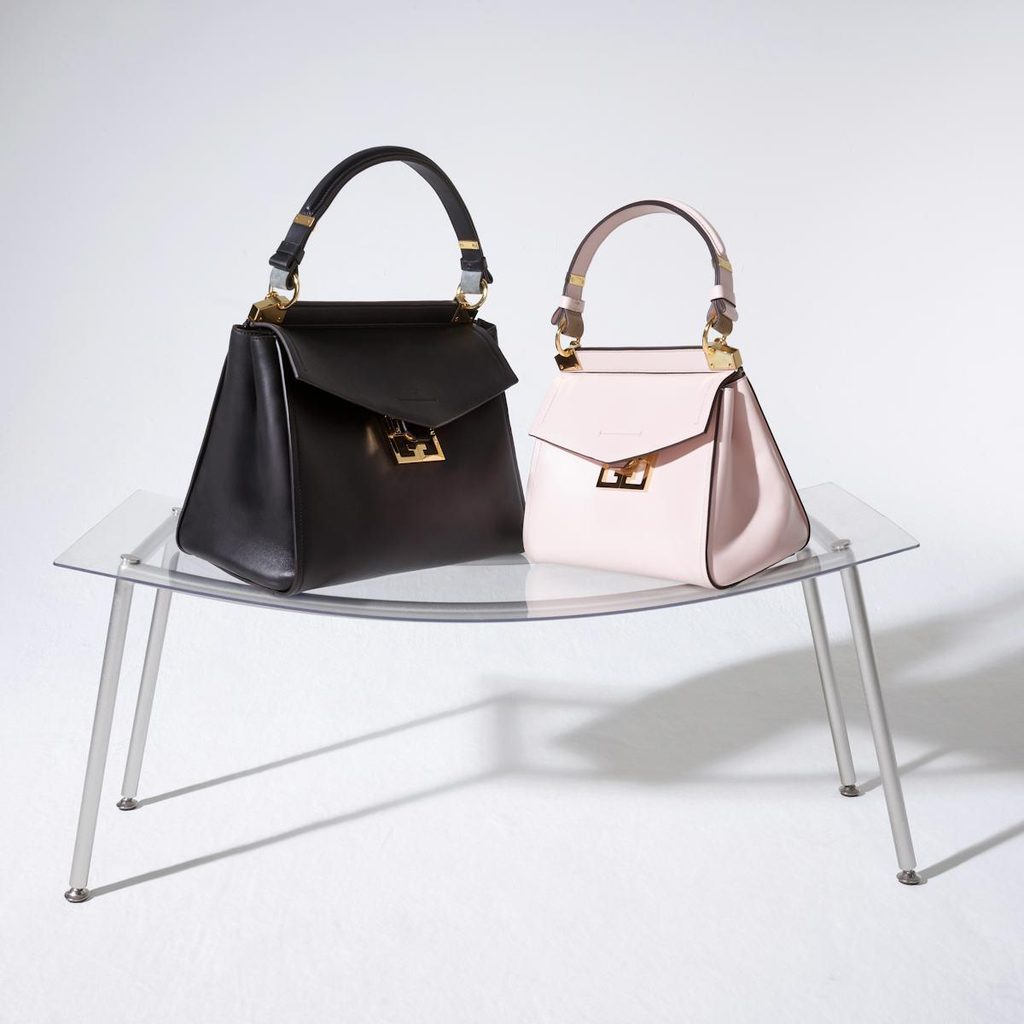
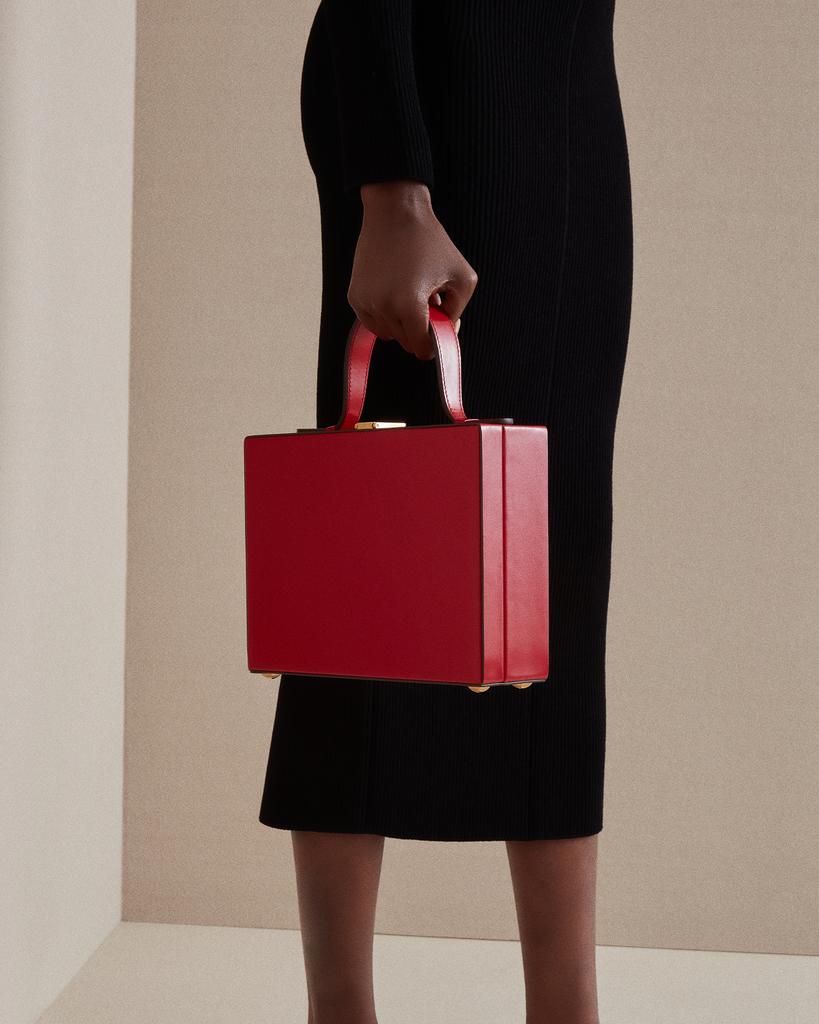
The Structured Bag
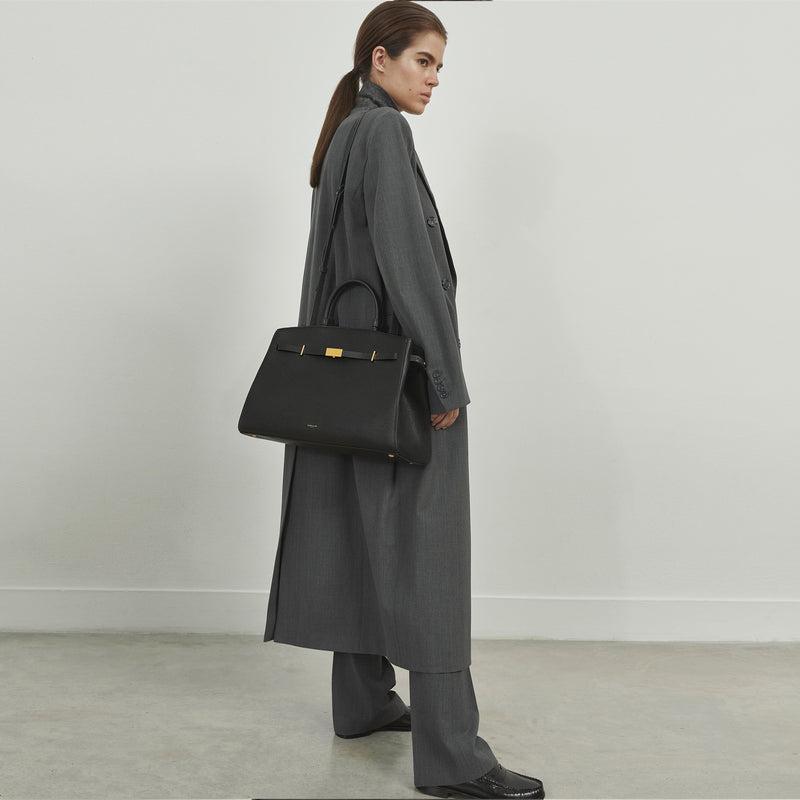
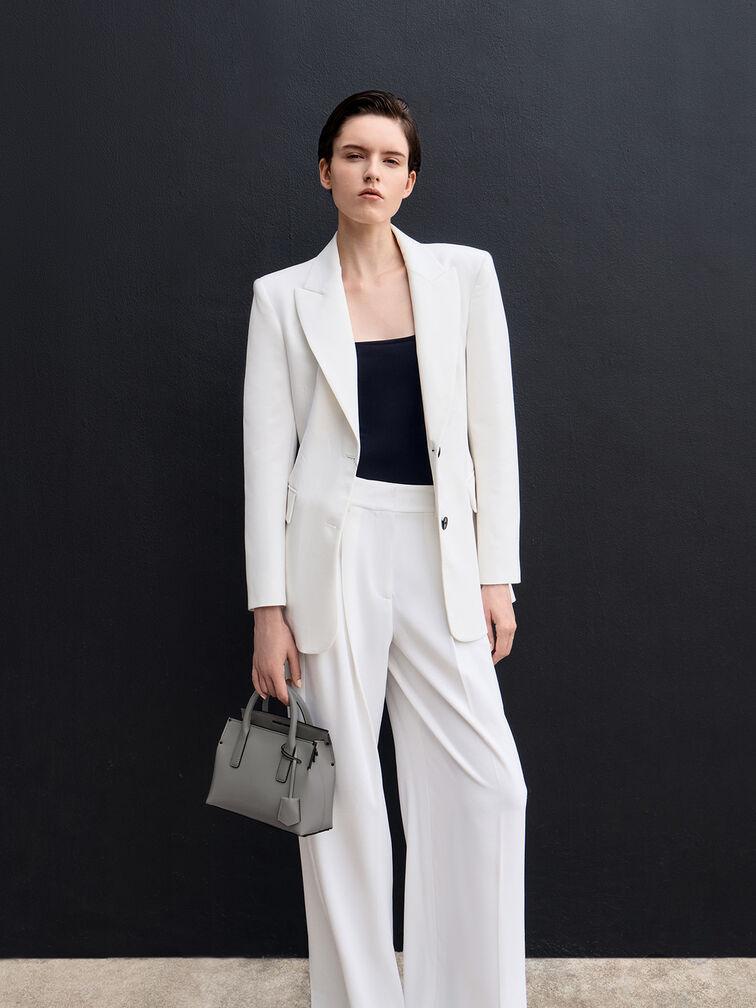
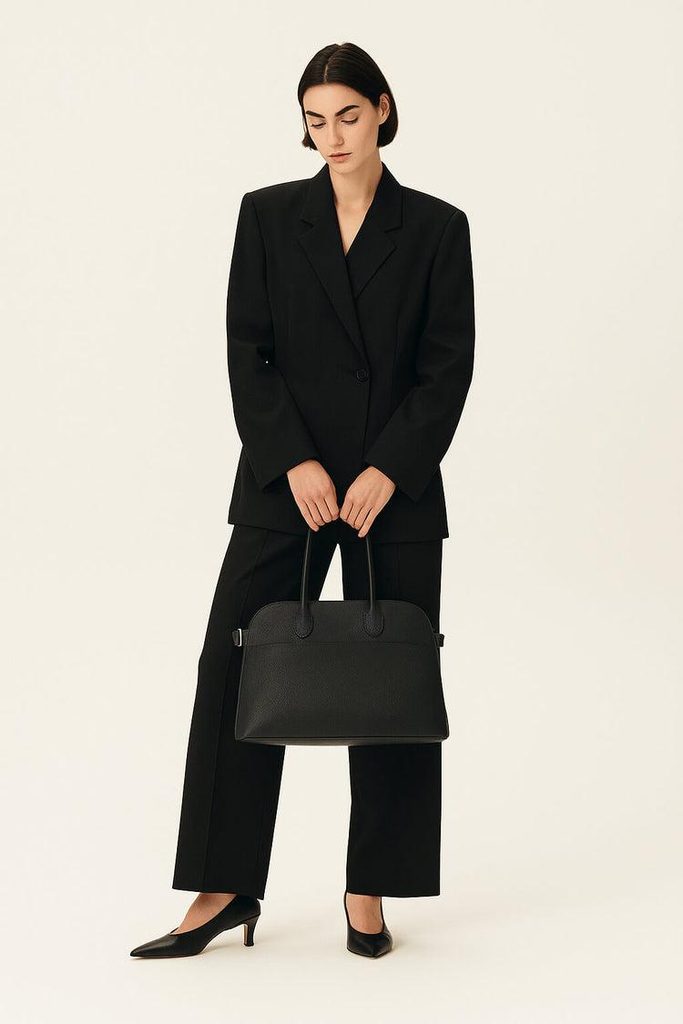
Defined by firm walls, a rigid base and crisp edges, the structured bag is the picture of polish. It suits tailoring and professional settings, and it protects its contents beautifully. Think of the classic top-handle or the structured tote.
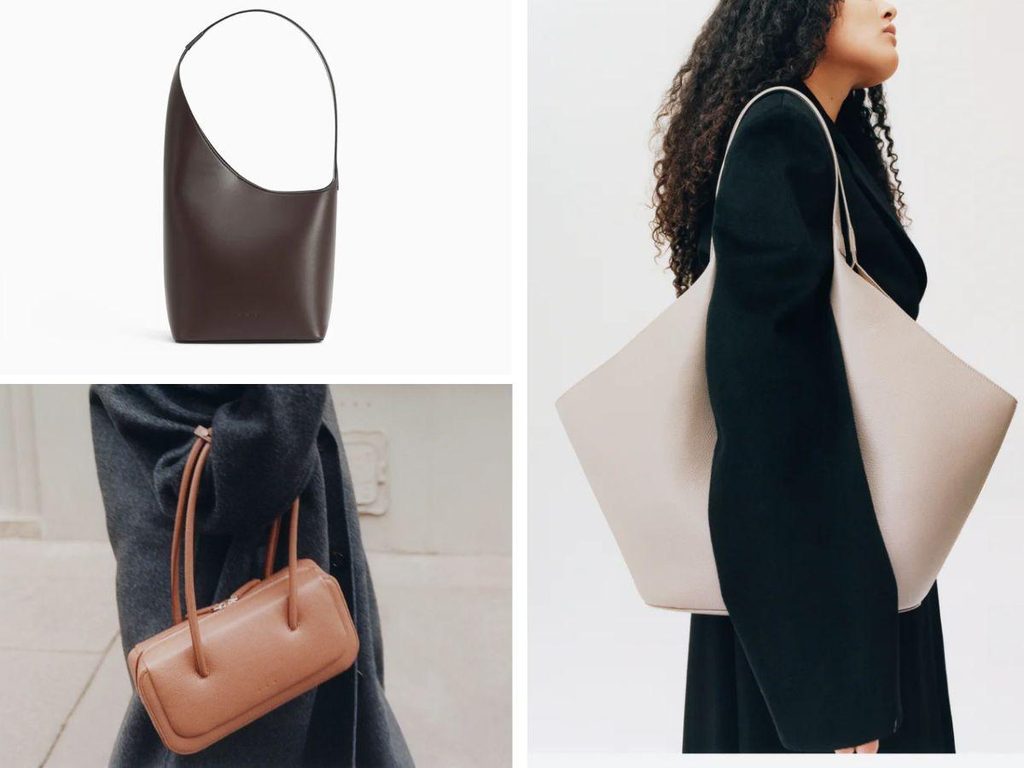
The Slouchy Bag
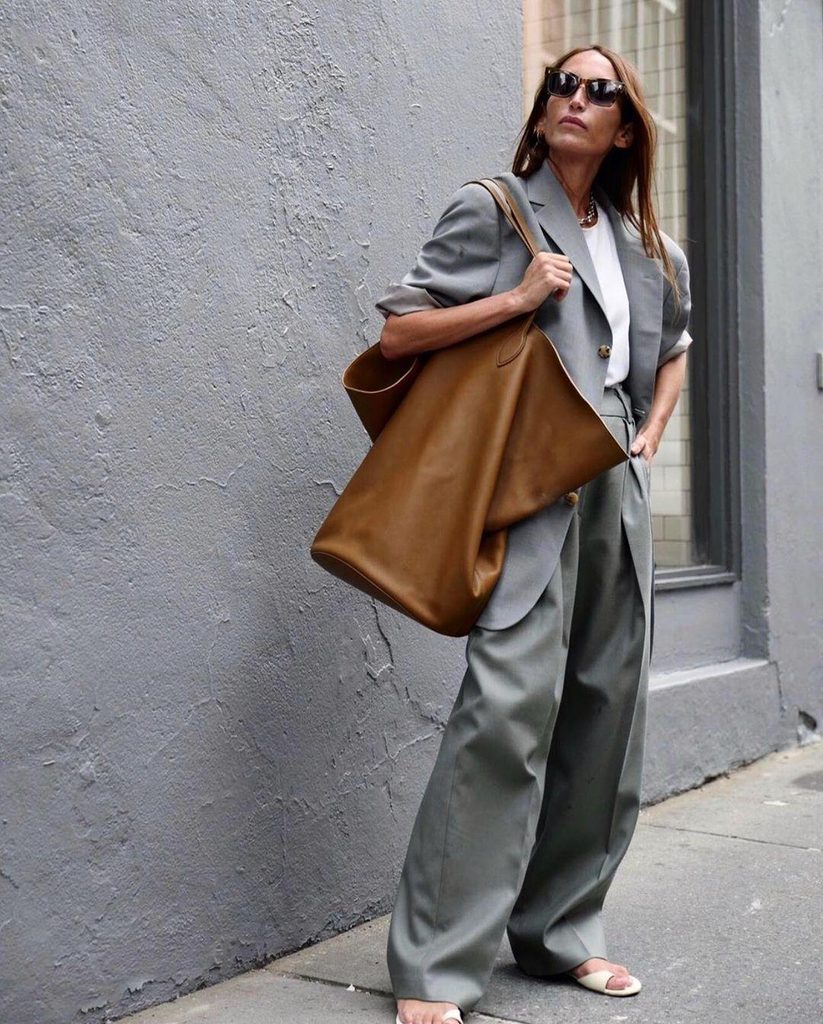
Soft, supple and gently draped, the slouchy silhouette brings ease to any outfit. Hobo and pouch shapes sit here. They are comfortable to carry and flatter relaxed, fluid clothing.
The Geometric Bag
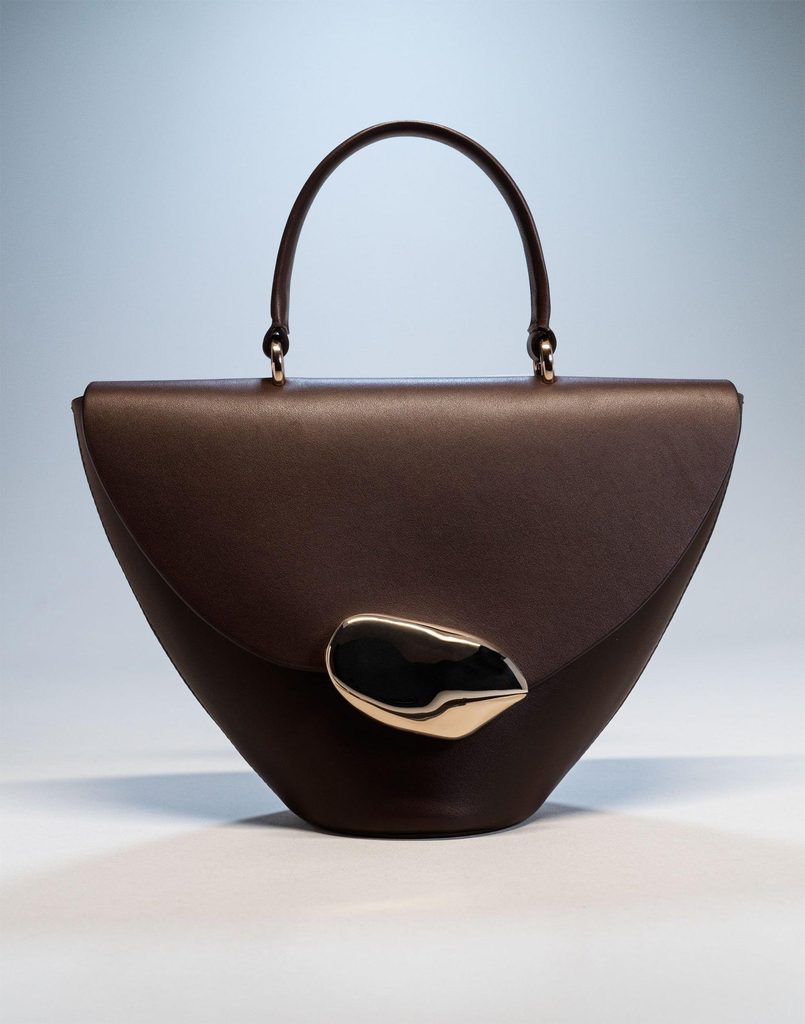
Squares, rectangles, trapezoids and even triangles create a graphic, architectural presence. These shapes feel modern and deliberate, and they pair well with clean, minimalist wardrobes.
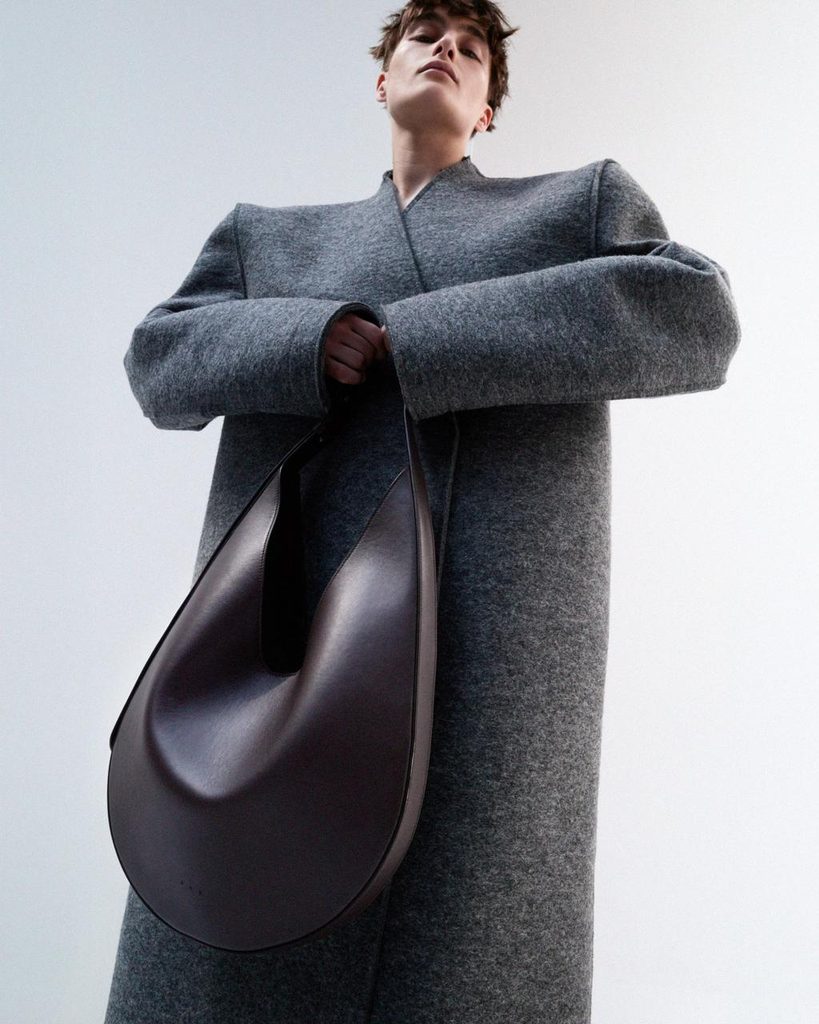
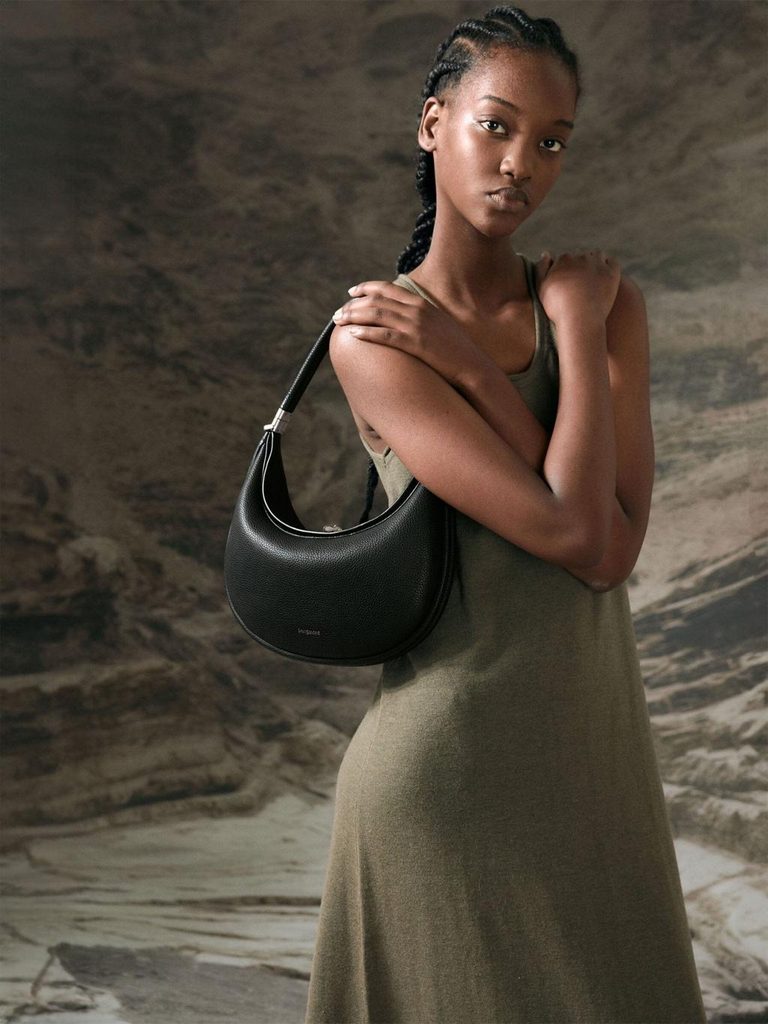
The Curved Bag
Half-moons, crescents and rounded domes soften a look with sculptural grace. Their flowing lines add femininity and movement, particularly against sharp tailoring.
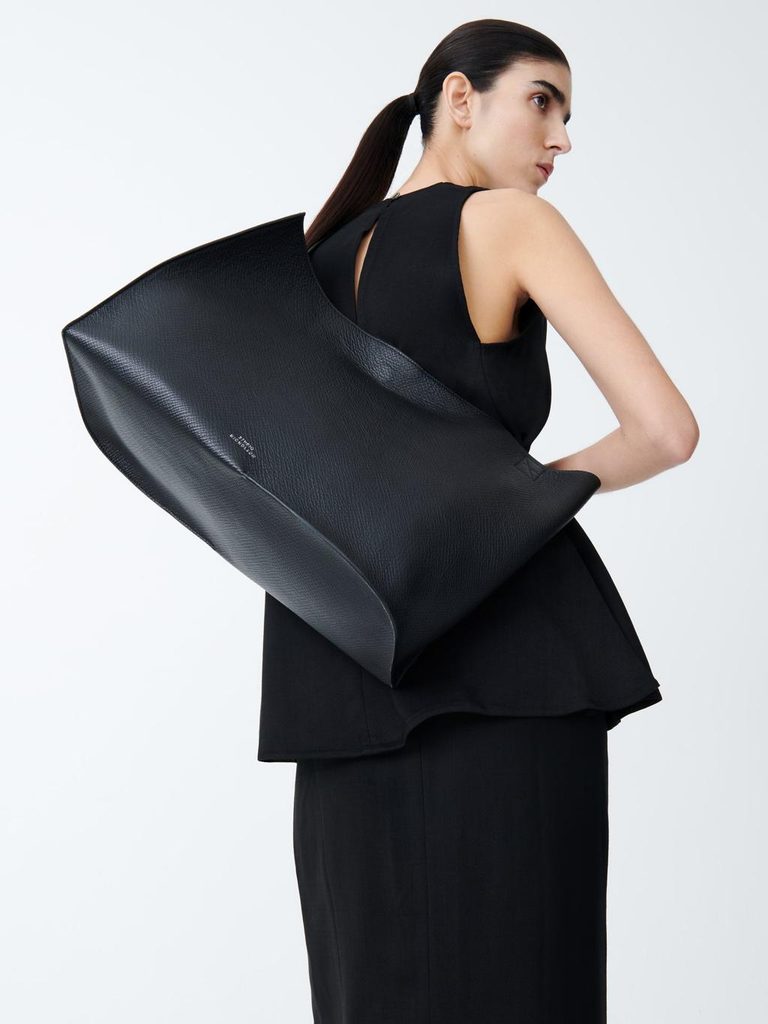
The Oversized Bag
Generous and effortless, the oversized silhouette makes a confident statement. It is ideal for travel and busy days, and it suits those who prefer a relaxed, slightly undone elegance.
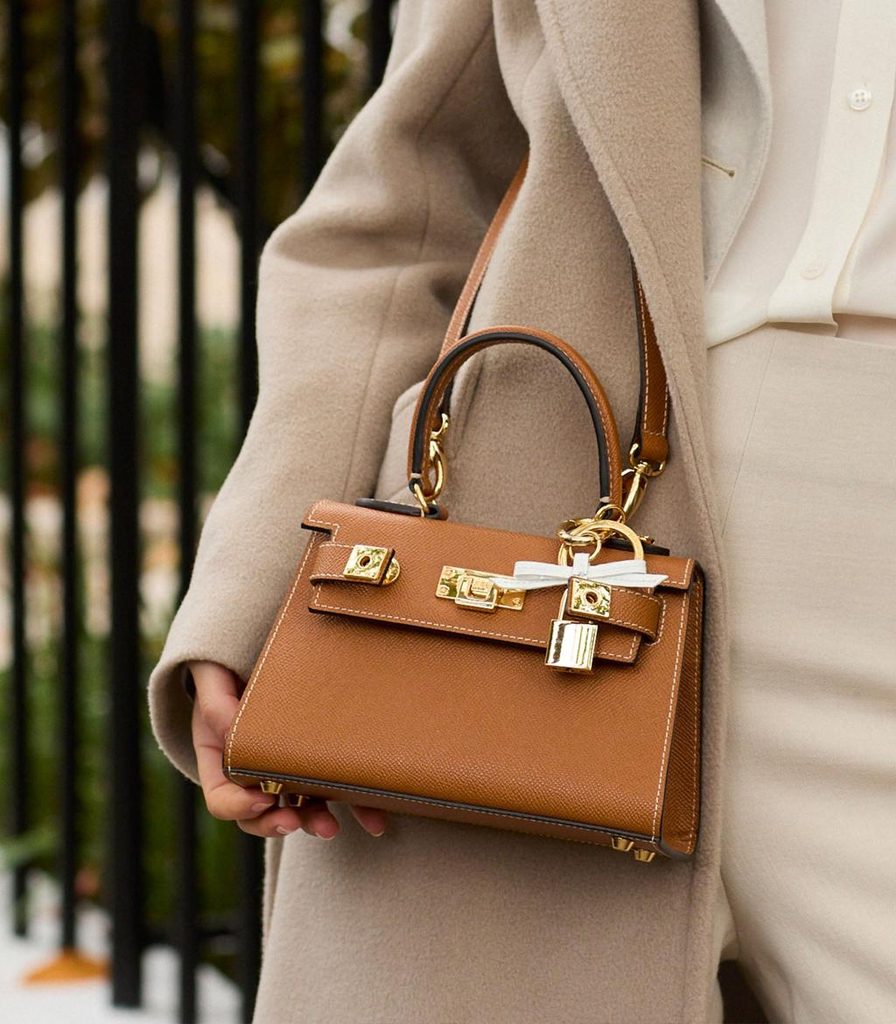
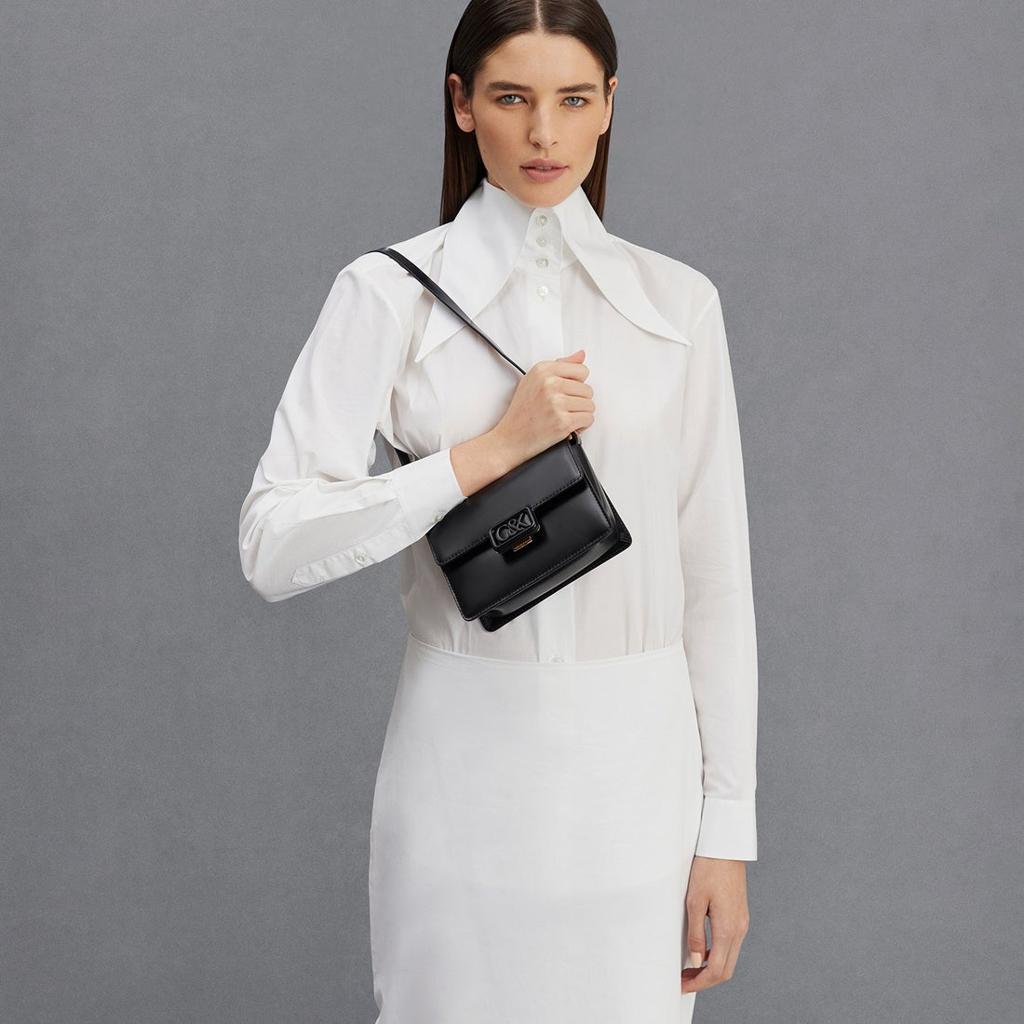
The Compact Bag
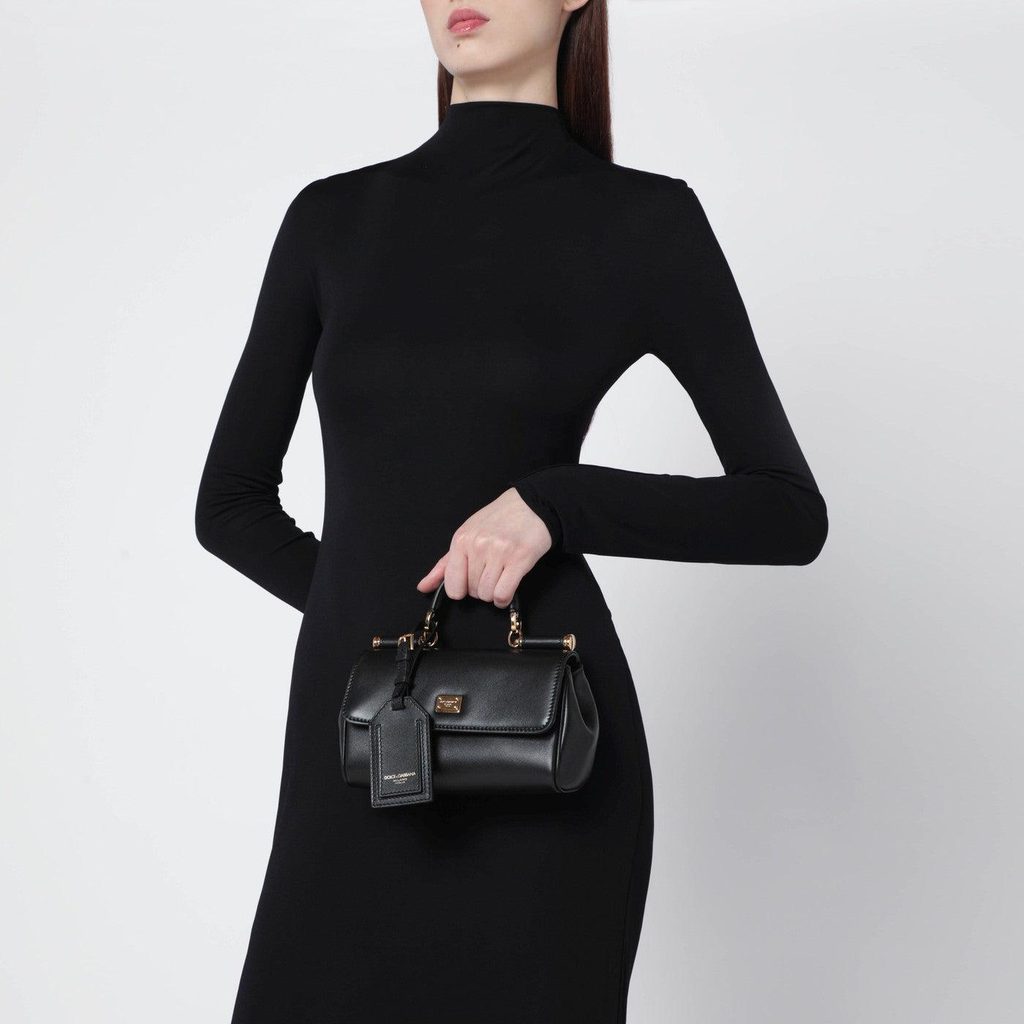
Small, neat and precise, compact bags are made for evenings and light days. They add polish and a sense of occasion, and they sit comfortably at the hip or across the body.
The Art of Proportion: How Shapes Complement Outfits
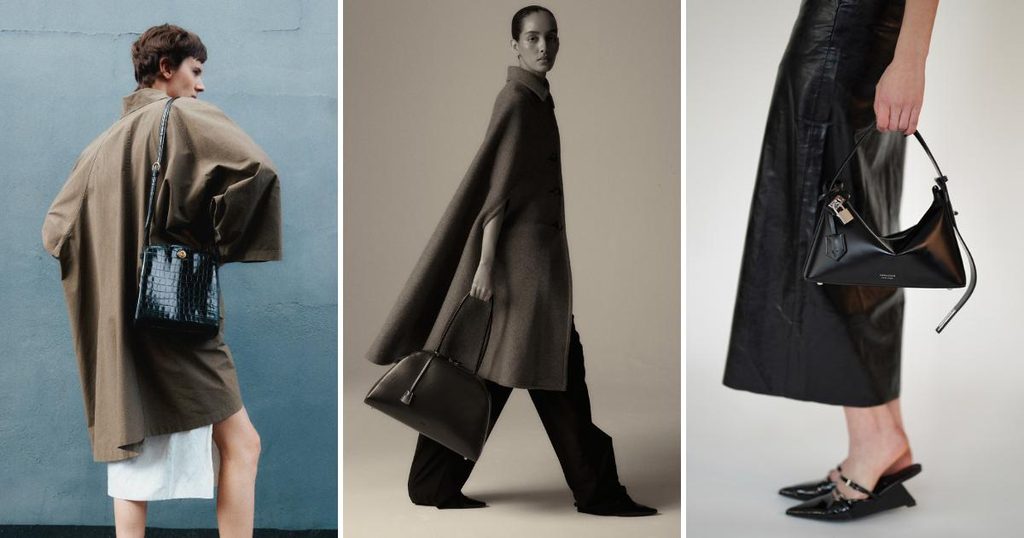
A bag should relate to your clothing the way a frame relates to a painting: enhancing without overwhelming. Proportion is the key.
- Balance scale: A petite bag can look lost against voluminous outerwear, while a large bag may overwhelm a slim, fitted outfit
- Use contrast: Soft, curved bags soften sharp tailoring, while structured shapes give shape to fluid, draped clothing
- Echo the lines: An angular bag complements clean-lined garments, creating a sense of harmony
- Consider the hemline: A bag that sits at the same level as a jacket hem can interrupt the line, so aim for a slightly different height
- Mind your frame: Choose a size that feels in proportion with your own build rather than following trends in scale
The most elegant results come from intention. When shape and outfit are considered together, the whole look feels resolved.
Finding the Silhouette That Reflects Your Personal Style
Your ideal silhouette is the one that mirrors how you naturally dress.
- Classic: Structured top-handle and satchel shapes, with clean lines and traditional proportions
- Minimalist: Geometric and softly curved designs, free of ornament, relying on form alone
- Relaxed: Slouchy hobo, bucket and pouch styles that move easily with casual dressing
- Contemporary: Architectural shapes, unexpected proportions and modern details that feel fresh
- Expressive: Sculptural or boldly scaled bags that become the focal point of an outfit
Look at the clothing you reach for most often. If your wardrobe is dominated by tailoring, a structured silhouette will feel natural. If it is built on knitwear and denim, softer shapes will suit you better. Many people draw from more than one category, and that is perfectly fine.
Materials and Craftsmanship: The Details Behind the Shape
A silhouette is only as good as the materials and construction that support it. Firm, full-grain leather holds crisp edges and sharp angles, while supple, softer leathers drape gracefully into relaxed forms. Suede and textured finishes add depth to simple shapes.
Construction determines whether a silhouette keeps its character over time:
- Internal structure: Quality reinforcement helps a bag hold its form without stiffness
- Edge finishing: Smoothly burnished edges sharpen geometric lines
- Stitching: Even, precise seams preserve clean outlines
- Hardware: Well-weighted fittings should complement the shape rather than distract from it
When these details are right, the shape looks effortless. When they are not, even the most beautiful design can lose its form.
Trends often exaggerate proportions, shrinking bags to miniature extremes or enlarging them dramatically. Silhouettes with lasting appeal tend to be balanced, moderate and well-proportioned.
Choosing a Silhouette That Transcends Trends
To choose wisely, consider:
- Versatility: Will it work with your tailoring, casual wear and evening outfits?
- Wardrobe compatibility: Does it complement the colours and textures you already own?
- Practicality: Does it carry what you need comfortably?
- Longevity: Will you still love the shape in five years?
A medium-sized structured bag, a softly curved shoulder bag or a refined top-handle can all serve for decades, because their lines are rooted in proportion rather than novelty.
Conclusion: Let Shape Define Your Style
A handbag’s silhouette is its most eloquent feature. It speaks before the leather is touched or the colour is noticed, and it reveals a great deal about the person carrying it. By understanding structure, proportion and personal style, you can choose shapes that feel both authentic and enduring.
Let form be your guide. Choose the silhouette that reflects who you are, invest in craftsmanship that preserves it and let the quiet confidence of a well-chosen shape define your style for years to come.